Eight weeks. Ten organizations. An honest answer to the question nobody on your board asked before they voted: can yours actually carry one?
Maybe it’s the roof. Maybe it’s the program run out of a converted storage room for six years, and everyone’s quietly stopped pretending that’s fine. Someone said the words. Everyone nodded. The minutes now say you’re exploring a campaign.
Nobody asked whether you could actually run one.
The budget is a 2019 document with a new date on the front. Your donor database is a spreadsheet a practicum student built, and three of the columns don’t mean what they say. The board that voted yes hasn’t talked to a donor in two years — and the person who’s supposed to lead this is doing payroll on Thursday.
A capital campaign isn’t won on a great case for support. It’s won on whether what’s underneath you can hold the weight.
You said yes, and everyone in that room remembers. So either you stall — another year, costs up five to eight percent, another $200,000 for the same building. Or you spend $40,000 on a feasibility study to be told what you could’ve found out first: you weren’t ready to ask.
What’s at risk isn’t the forty grand. It’s twenty years of people trusting your judgment.
I’ve sat in both rooms. The second one is worse.

Ready organizations don’t beg, and they don’t chase donors. They build something worth funding and let the money come to it. That’s week one. Everything after it depends on believing it. Then you build: one readiness area a week, on your own organization, with my eyes on your work. You leave with the actual document — not a blank template, and not notes about it.
Plus a full re-assessment against the entry quiz — proof on paper of what moved in eight weeks.
The live session. The teaching, and the part where somebody says the thing your board won’t.
The working session. Cameras on, everybody building, nobody talking. The people who show up here are the ones who finish.
Open office hours. Drop in whenever. Bring whatever fell apart.
Learn it Wednesday, build it Friday, bring the wreckage Monday. Everything’s recorded and posted within 24 hours — miss a live session and I’ll catch you up Friday.
Budget week, bring your finance person. Case week, your fundraiser. Governance week, your board chair — whoever needs to hear it, in the room the week it matters. I price it per organization; bring who you need, week by week.
Nine other charities work the same eight weeks, most small enough that the ED is also the fundraiser. Some further along than you. You’ll steal things from them. That’s allowed.
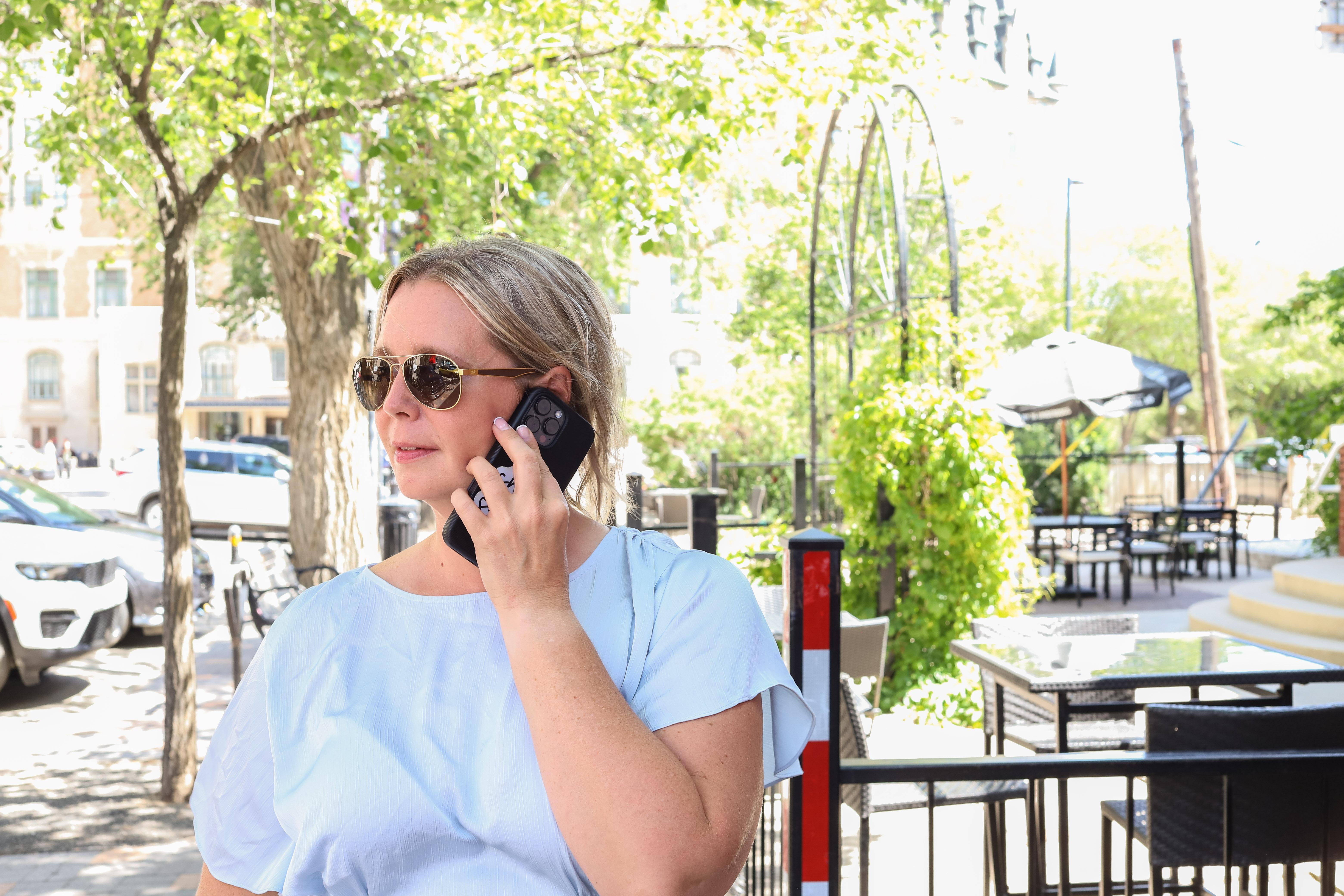
“Starting this new journey, I had a million questions — everything from building lasting relationships to fundraising and campaign planning. Since day one, Emily has been immensely helpful.”
“The knowledgeable Brazen team has been instrumental in helping the YMCA create a strong framework for our fundraising.”




Twenty years in fundraising, a CFRE, and more than $50 million raised in direct solicitations. I’ve run a campaign for cows. Actual cows. Also a lake, a trail, a museum, a symphony.
Campaigns from $750,000 to the $180 million one I’m sitting on right now.
What I haven’t done is run this program before. You’d be in the first cohort — which is exactly why it’s $2,997.
| 24 sessions across eight weeks — live, working, office hours | $4,800 |
| A scored assessment of where you stand across the eight areas | $97 |
| The documents: case for support, campaign budget, campaign plan, business plan, gift agreements | $5,000 |
| Members-only access to the Brazen tool library | $1,200 |
| A recorded board presentation — the conversation you’ve been dreading, delivered by somebody who isn’t you | $500 |
| A second seat every week, and nine other organizations in the room | — |
| Total | $11,597 |
| You pay | $2,997 |
A feasibility study is $30,000 to $60,000 and answers a different question — whether donors will give. This one answers whether you’re ready to ask.
One price, per organization — the whole program above. Pay it in one go, or spread it over the first three months.
Everything above. Pay in full, or 3 monthly payments of $1,199.
Everything in Full, plus 15 hours of me over the 90 days after — on your punch list.
Want my team to build the whole campaign plan for you? Separate engagement, from $10,000. Ask me in week eight.
There’s no walk-away refund after week one — you’d have had the week, and the week is what you paid for. But if you’re doing the work and it isn’t giving you what you came for, say so in week two, not week seven, and I’ll fix it. Ten organizations is a small enough room that I’ll usually notice before you have to say anything.
Enrol by October 31 and you get three sessions with me before the cohort begins — a $600 head start, so you walk into January knowing your gaps instead of finding them in week four.
Ten organizations, and when they’re gone they’re gone. Enrolment closes 18 December. The next cohort runs in March — a full quarter your board spends exploring before you find out what you already suspect.
Don’t enrol. Call me. That’s a different conversation, and it needs to happen this week, not in eight.
Book a call →